About the author

The teacher who learned
to listen to silence.

Dr. Gail Ekici is a linguist, educator and researcher whose work connects language, cognition and the quiet side of learning. This is the story behind Endophasia.

Doctorate
PhD · USQ
Focus
Inner speech & learners
Latest
Endophasia, 2026
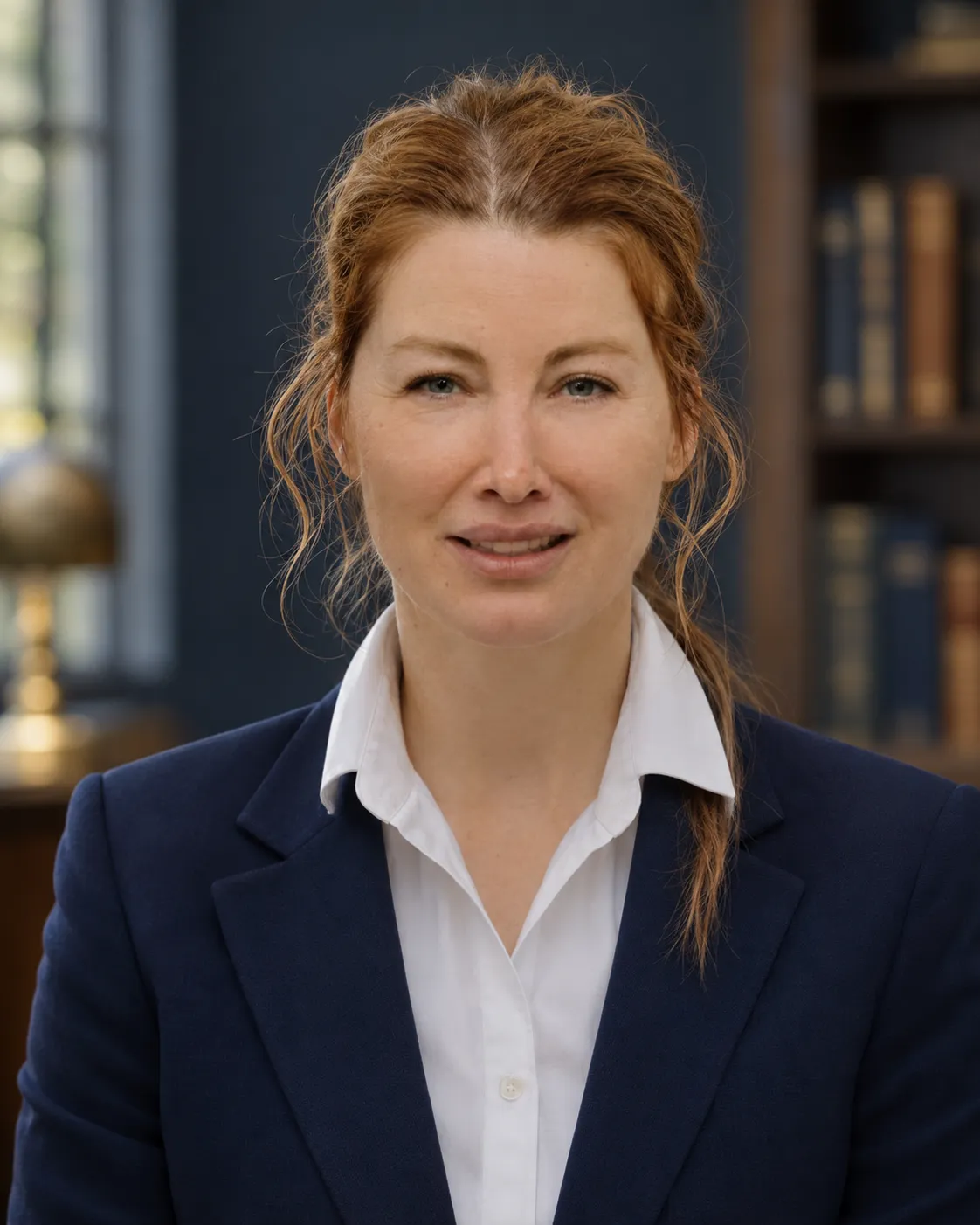
Portrait of Dr. Gail Ekici

Dr. Gail EkiciAuthor · Educator · Researcher

Her story

Every language is a portal to knowledge.

Dr. Gail Ekici grew up in a diverse, multicultural city where many languages lived side by side. Early on she noticed that the people who said the least were often thinking the most — and that every language opened a different door to understanding the world.

That curiosity led her into language teaching. Over many years in classrooms with adult and second-language learners, she kept meeting the same student: quiet, attentive, and too often judged as disengaged. She began to ask what was really happening during that silence.

From classroom question to research

Her doctoral research at the University of Southern Queensland followed 148 bilingual participants and examined the role of inner speech in learning. The study gave a name and a structure to what she had seen for years: Endophasia-Oriented Learner Silence (EOLS), the idea that silence can be active cognitive work.

It only takes one good teacher to turn someone’s life around.
From the dedication of Endophasia

Today

As a university lecturer, researcher and author, Dr. Ekici works with teachers and institutions who want to make room for cognitive time — the quiet stage where real learning takes shape. Endophasia (2026) brings that work to a wider audience.

  • 148Bilingual participants in her doctoral study
  • EOLSOriginator of the learner-silence framework
  • 2026Endophasia published by Melbourne Print & Publish

The journey

From the classroom
to Endophasia

The milestones that turned a teacher’s question into a theory of learning.

  1. Early years
    Roots

    A multicultural beginning

    Growing up among many languages shaped a lifelong question: how do people really come to understand a new language?

  2. Classroom
    Teaching

    Years with adult learners

    Teaching adult and second-language learners, she saw quiet students doing deep, invisible work — and being misread for it.

  3. 2022
    Doctorate

    Doctoral study · 148 participants

    PhD research at the University of Southern Queensland on inner speech and learner silence among bilingual adults.

  4. 2023
    Publication

    Journal of Silence Studies in Education

    Research on learner silence published, introducing the thinking behind EOLS to a wider academic audience.

  5. 2024
    Publication

    “Silencing monologic teaching in ELICOS”

    A paper questioning teacher-centred talk in English language courses and arguing for time to think.

  6. 2026
    Book

    Endophasia is published

    Endophasia: Silence and Its Endogenous Connection to Learning, published by Melbourne Print & Publish.

Credentials

Education, teaching
& research

A career built across the lecture hall, the language classroom and the research desk — always around one question: how do people really learn?

Education

  • PhD · Linguistics & EducationUniversity of Southern Queensland
  • Master’s degreeEDIT: field & university
  • Teaching qualificationEDIT: TESOL / CELTA / other

Teaching

  • University lecturerLinguistics & language education
  • ELICOS & adult programsSecond-language learners
  • Teacher developmentWorkshops on cognitive time

Research

  • Inner speech (endophasia)Silent verbal thinking in learning
  • Learner silence · EOLSOriginator of the framework
  • Second-language acquisitionAdult & bilingual learners
  • Linguistics
  • Cognition
  • Inner speech
  • Adult learning
  • Bilingualism
  • Pedagogy
  • Learner silence

Teaching philosophy

Speaking becomes one possible product of learning — rather than the definition of learning itself.

Dr. Gail Ekici · Endophasia

  • 01

    Silence is not absence

    A quiet learner may be doing the most important work in the room: listening, comparing and organising.

  • 02

    Time before performance

    Give learners cognitive time to build knowledge before asking them to produce it on demand.

  • 03

    Teach the whole mind

    Speaking is one product of learning, not its definition. Good teaching makes space for the inner voice.

Work together

Bring the ideas of Endophasia
to your audience.

Keynotes, teacher workshops and academic collaborations on silence, inner speech and adult learning.